
China Imports Slump: Impact on AUD/USD and Global Markets
Key Points
- China’s imports dropped 8.4% in the combined January-February data.
- Exports grew only by 2.3%, a stark contrast to December’s 10.7% surge.
- Intensified US-China trade war with Beijing warning of countermeasures against US tariffs.
China’s Trade Terms Under Scrutiny
On March 7, the release of China’s trade data heightened market scrutiny, especially in light of previous PMI numbers exceeding expectations. The backdrop of December’s shipping surge amidst new US tariffs compounds the current economic challenges.
Import and Export Weakness
China’s exports saw a meager increase of 2.3% year-on-year in January and February. This slower growth, coupled with a striking 8.4% decline in imports, signals weakening domestic and global demand. In response, Beijing is urging domestic consumption stimulus to offset economic pressures.
Market Reaction
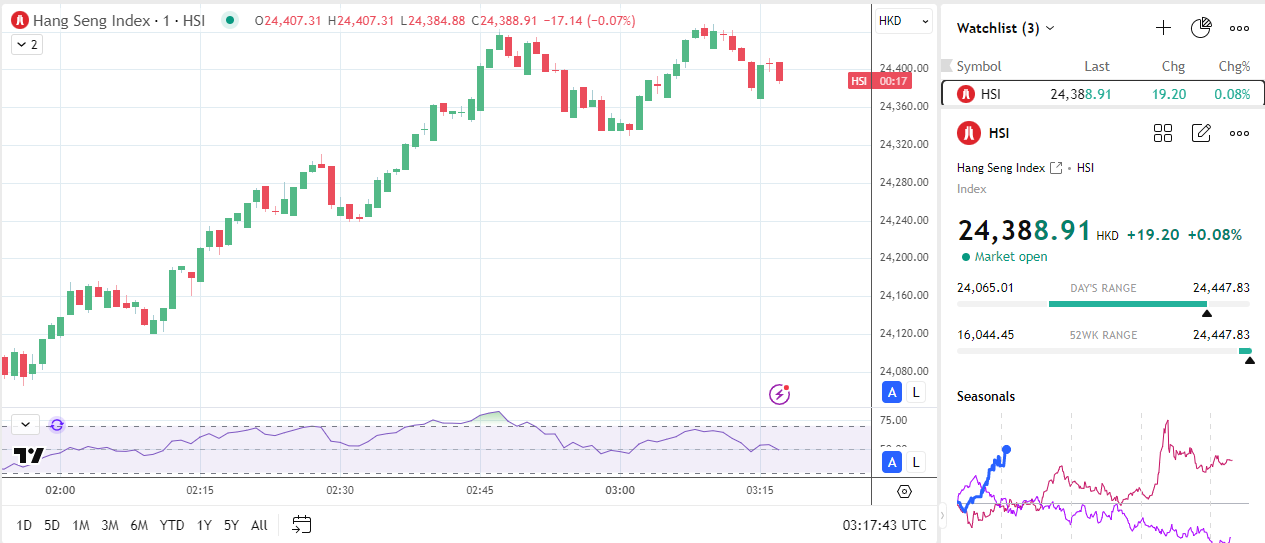
The Hang Seng Index dipped before quickly rebounding, while the AUD/USD faced a tougher blow, showcasing its vulnerability to Chinese economic trends. In global markets, the currency pair fell below key thresholds, driven by its close trade ties with China.
What’s Next?
With new US tariffs set to take effect, the trade war inches closer to a boiling point. China’s foreign minister has declared the country’s intent to respond firmly. Although President Trump has shown some leniency with other trading partners, China remains in the direct line of tariffs.
Stay updated on market movements and trade strategies by checking out our forecasts and analyses.