
China Deflation Signals Deepen: A Market Perspective
As we turn our sights to the ongoing economic developments, China’s recent inflation and producer price data portray a chilling picture, indicating deeper deflationary trends due to weak domestic demand. Let’s delve into the numbers that are making waves as the US-China trade talks resume in London.
Key Points:
- China’s consumer prices decreased by 0.1% year-on-year in May.
- Producer prices plummeted by 3.3% YoY, reflecting sustained industrial pressure.
- This data comes as US-China trade discussions are set to influence market sentiment heavily.
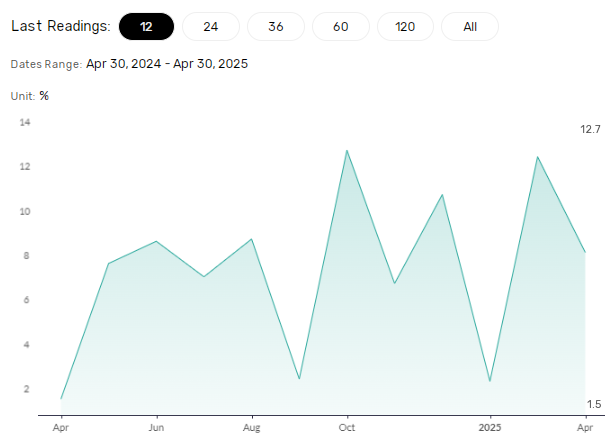
According to the latest reports, China’s consumer prices mirrored April’s dip, showing a 0.2% reduction month-on-month. Similarly, the producer price index offers little hope, down 3.3% YoY and continuing a bleak trend from April’s 2.7% decline.
Market Analysis: Trade Talks and Economic Implications
The upcoming trade discussions hold significant importance. While deflation might seem alarming, market reactions suggest that participants are more focused on the outcomes of the US-China negotiations rather than the inflation metrics themselves.
Interestingly, the Caixin Composite PMI indicated a rapid price drop, with firms cutting their charges amid a fiercely competitive atmosphere. Could this indicate a need for government stimulus? It’s a valid concern as analysts speculate on Beijing’s proactive measures to mitigate these deflationary effects.
Market Reactions to Inflation Data
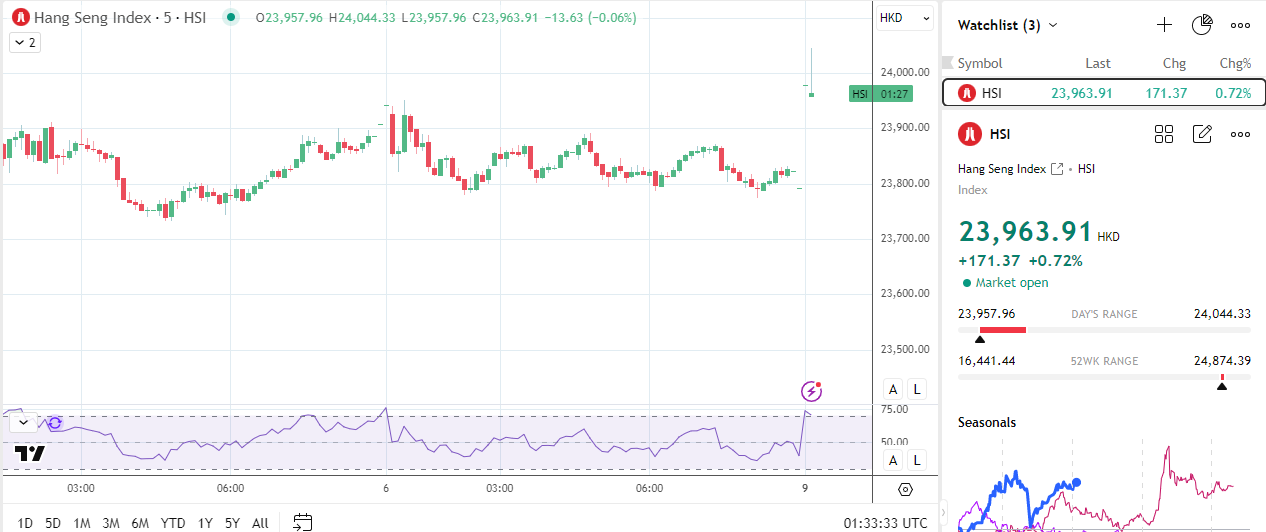
The Hang Seng Index initially surged, reaching a peak of 24,044 before retreating after the inflation numbers were released. At the time of writing, it stands up at 0.72%, signifying a careful market reaction to economic indicators.
Meanwhile, in the forex arena, the AUD/USD pair showed volatility, initially climbing to a pre-report high of $0.65115, only to drop following the deflation announcements. As of the latest updates, the AUD/USD is holding steady, up 0.26% to $0.65061 at this moment.
Looking Ahead: Implications of Trade Data
Later today, trade data from China will shed more light on the economic landscape. With predictions of a 5% rise in YoY exports for May, this figure could significantly influence market movements. Expectations are that a decline in imports could signify weakening domestic consumption, further aligning with the ongoing deflationary pressures.
In Conclusion
As traders and investors navigate these turbulent economic waters, the outcomes of the US-China trade talks could either bolster market confidence or lead to more uncertainty. Stay tuned for the latest insights and strategies to adapt to these changing conditions.
About the Author
Bob Mason is a seasoned financial expert with over 28 years of extensive experience in global markets, focusing on currency, commodities, and equities.
Did you find this article useful? Share your thoughts and strategies with us!